
Introduction
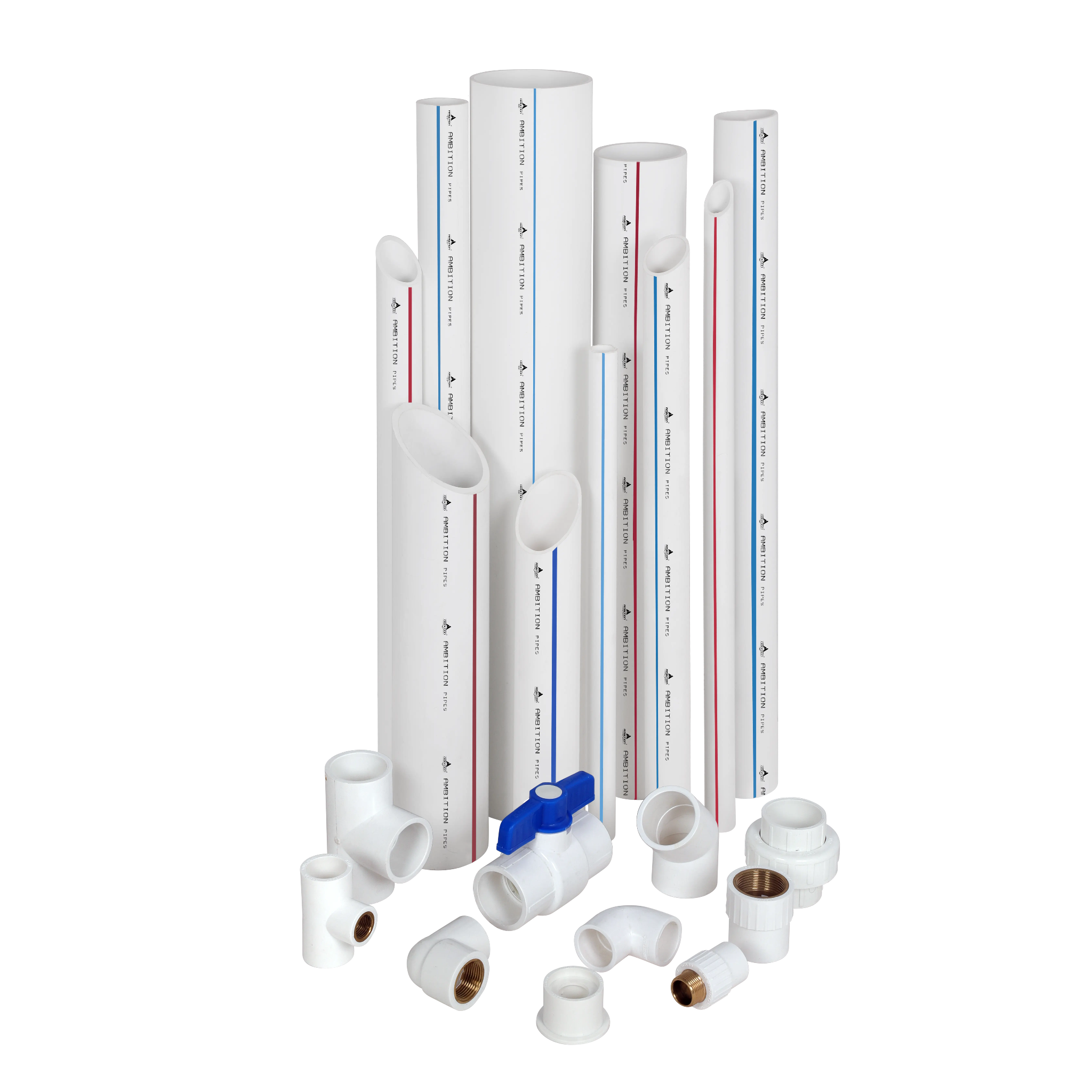
Water is the backbone of agriculture, industry, and daily life in India. Whether you are a farmer digging a borewell to irrigate your fields, a contractor building infrastructure, or a distributor looking to source construction materials, one decision matters more than almost any other: choosing the right pipe manufacturer. A poor-quality pipe can mean collapsed borewells, wasted investment, contaminated water, and expensive repairs. A reliable one means decades of trouble-free performance.
In this comprehensive guide, we explore everything you need to know about finding the most reliable pipe manufacturer in India, understanding UPVC column pipes for borewells, identifying trustworthy casing pipe manufacturers in Gujarat, connecting with established casing pipe exporters in India, and selecting the right UPVC conduit pipes supplier for your electrical and construction needs. By the end of this article, you will have the knowledge to make an informed, confident purchasing decision.
Why Choosing the Right Pipe Manufacturer Matters
Pipes are not a "buy once and forget" product. They are installed underground, inside borewells hundreds of feet deep, or embedded within walls and floors — places where replacement is difficult, costly, and disruptive. This is why the manufacturer you choose has a direct impact on:
- Longevity – Quality pipes can last 25–50 years without degradation.
- Water Safety – Poor-grade PVC can leach chemicals into drinking or irrigation water.
- Structural Integrity – Weak casing pipes can collapse under soil pressure, ruining a borewell investment.
- Cost Efficiency – Reliable pipes reduce maintenance, replacement, and downtime costs over their lifetime.
- Regulatory Compliance – Reputed manufacturers follow BIS (Bureau of Indian Standards) certifications like IS 12818 and IS 4985, ensuring the product meets national safety benchmarks.
India today hosts hundreds of pipe manufacturing units, but only a handful combine advanced manufacturing technology, strict quality control, and a track record of consistent performance. Understanding what separates the best from the rest is the first step toward a smart purchase.
What Makes a Pipe Manufacturer "Most Reliable"?
When evaluating manufacturers, look beyond marketing claims. Here are the factors that genuinely define reliability:
1. BIS Certification and ISO Standards
Reliable manufacturers are certified under Indian Standards such as IS 12818 (for column pipes) and IS 4985 (for UPVC pipes), along with ISO 9001:2015 quality management certification. These certifications are not just paperwork — they represent tested wall thickness, pressure ratings, and material purity.
2. Raw Material Quality
The best manufacturers use virgin, unadulterated PVC resin rather than recycled or mixed-grade material. Virgin resin ensures uniform strength, resistance to UV degradation, and long-term durability, especially critical for pipes exposed to sunlight or buried underground for decades.
3. Advanced Manufacturing Technology
Modern extrusion technology ensures consistent wall thickness, precise threading, and smooth internal bores that reduce friction loss in water flow. Manufacturers investing in German or Italian extrusion machinery typically produce a superior, more consistent product compared to smaller, outdated setups.
4. In-house Testing Laboratories
Top-tier manufacturers maintain in-house labs to test tensile strength, impact resistance, hydrostatic pressure tolerance, and dimensional accuracy on every production batch — not just occasional samples.
5. Wide Product Range
A manufacturer that produces column pipes, casing pipes, conduit pipes, and agricultural pipes under one roof typically has broader engineering expertise and better production discipline than a single-product factory.
6. After-Sales Support and Warranty
Reliability doesn't end at delivery. The most trusted manufacturers offer installation guidance, warranty coverage, and responsive customer service for technical queries or complaints.
7. Export Credibility
Manufacturers who successfully export to international markets have typically passed rigorous foreign quality audits, giving domestic buyers additional confidence in their standards.
Understanding UPVC Column Pipes for Borewell
What Are UPVC Column Pipes?
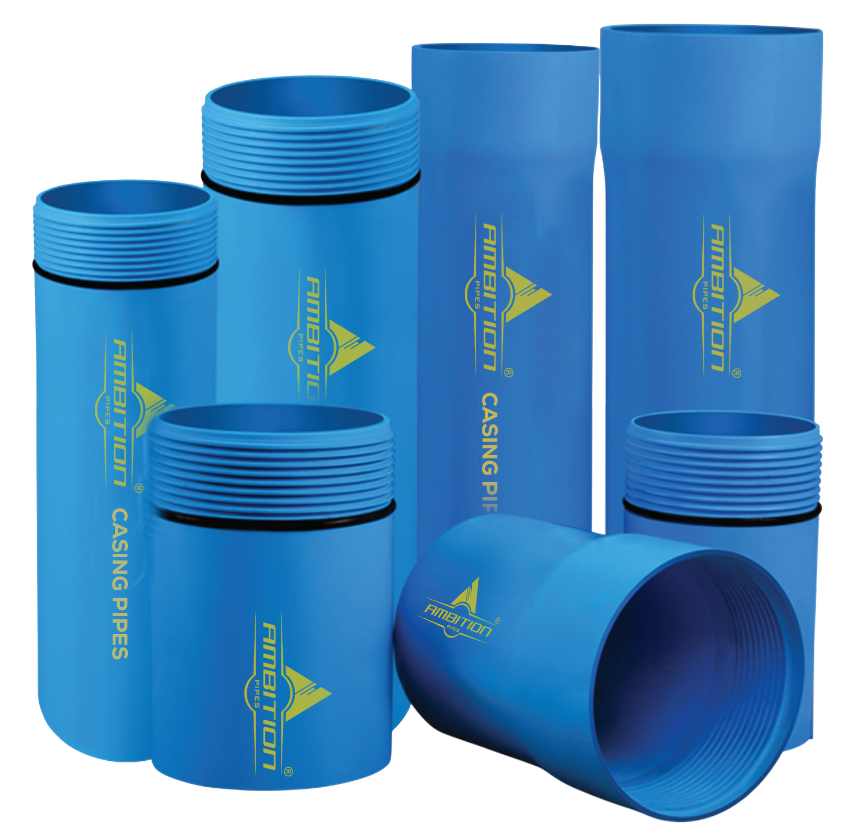
UPVC (Unplasticized Polyvinyl Chloride) column pipes are specialized pipes used to house submersible pumps inside borewells. Unlike ordinary PVC pipes, UPVC is rigid, free of plasticizers, and engineered specifically to withstand the mechanical stress of suspending heavy pump assemblies at significant depths — often 200 to 600 feet or more.
Why UPVC Column Pipes Are Preferred Over Metal Pipes
For decades, GI (galvanized iron) pipes were the standard choice for borewell columns. However, UPVC column pipes have rapidly replaced them for several compelling reasons:
- Corrosion Resistance: UPVC never rusts, unlike GI pipes, which corrode over time and contaminate water with iron particles.
- Lightweight: UPVC pipes are roughly one-fifth the weight of steel, making installation faster, safer, and less labor-intensive.
- Smooth Bore: The internal surface remains smooth for the pipe's entire lifespan, reducing friction loss and improving pump efficiency, which in turn saves electricity.
- Cost-Effective: Lower material and transportation costs translate into significant savings, especially for deep borewells requiring hundreds of feet of piping.
- Chemical Resistance: UPVC resists most soil chemicals and does not degrade when exposed to varying groundwater compositions.
- Longer Lifespan: With proper installation, UPVC column pipes can last 30+ years without performance degradation.
Key Specifications to Check Before Buying
When purchasing UPVC column pipes for a borewell, verify:
- Pressure Rating (Class): Common classes include 40mm, 50mm, and higher pressure ratings depending on borewell depth and pump load.
- Wall Thickness: Thicker walls provide better resistance to collapse under deep-well pressure.
- Threading Quality: Precision-cut threads ensure leak-proof joints between pipe sections.
- ISI Mark: Always confirm the ISI mark, which verifies compliance with IS 12818.
- Batch Testing Certificate: Ask suppliers for quality test reports specific to the batch you are purchasing.
Common Applications
- Agricultural borewells for irrigation
- Domestic and community drinking water borewells
- Industrial water extraction systems
- Government water supply schemes
Casing Pipe Manufacturers in Gujarat: A Regional Hub of Excellence
Gujarat has emerged as one of India's most significant hubs for PVC and UPVC pipe manufacturing, and there are clear reasons behind this concentration of industry expertise.
Why Gujarat Leads in Pipe Manufacturing
- Industrial Infrastructure: Gujarat's well-developed industrial corridors, ports, and logistics networks make it ideal for both raw material procurement and finished goods distribution.
- Access to Ports: Proximity to major ports like Mundra and Kandla gives Gujarat-based manufacturers a logistical advantage for both domestic distribution and international exports.
- Skilled Workforce: Decades of plastic and polymer industry presence have created a deep pool of skilled technicians and engineers.
- Government Support: Gujarat's industry-friendly policies, including incentives for manufacturing units and export-oriented businesses, have encouraged significant capital investment in modern extrusion facilities.
- Raw Material Availability: Gujarat hosts several petrochemical complexes, ensuring manufacturers have relatively easy access to PVC resin and other raw materials.
What to Look for in Casing Pipe Manufacturers in Gujarat
Casing pipes are the outer protective structure of a borewell, preventing soil and loose rock from collapsing into the well. Since casing pipes bear significant structural load, buyers should specifically evaluate:
- Collapse Resistance Rating: Casing pipes must handle external soil pressure without deforming.
- Slotting Precision (for slotted casing): Uniform slot width ensures optimal water inflow while filtering out sand and debris.
- Joint Strength: Threaded or solvent-welded joints must hold firm under the combined weight of the pipe string and installed pump.
- Batch Consistency: Reputable Gujarat-based manufacturers maintain strict batch-to-batch consistency, which is critical when ordering large quantities for multi-well projects.
Gujarat-based manufacturing clusters, particularly around Ahmedabad, Rajkot, and Surat, have built strong reputations for producing casing pipes that meet both domestic BIS standards and international quality benchmarks, making the state a preferred sourcing destination for buyers across India.
Casing Pipe Exporters in India: Meeting Global Demand
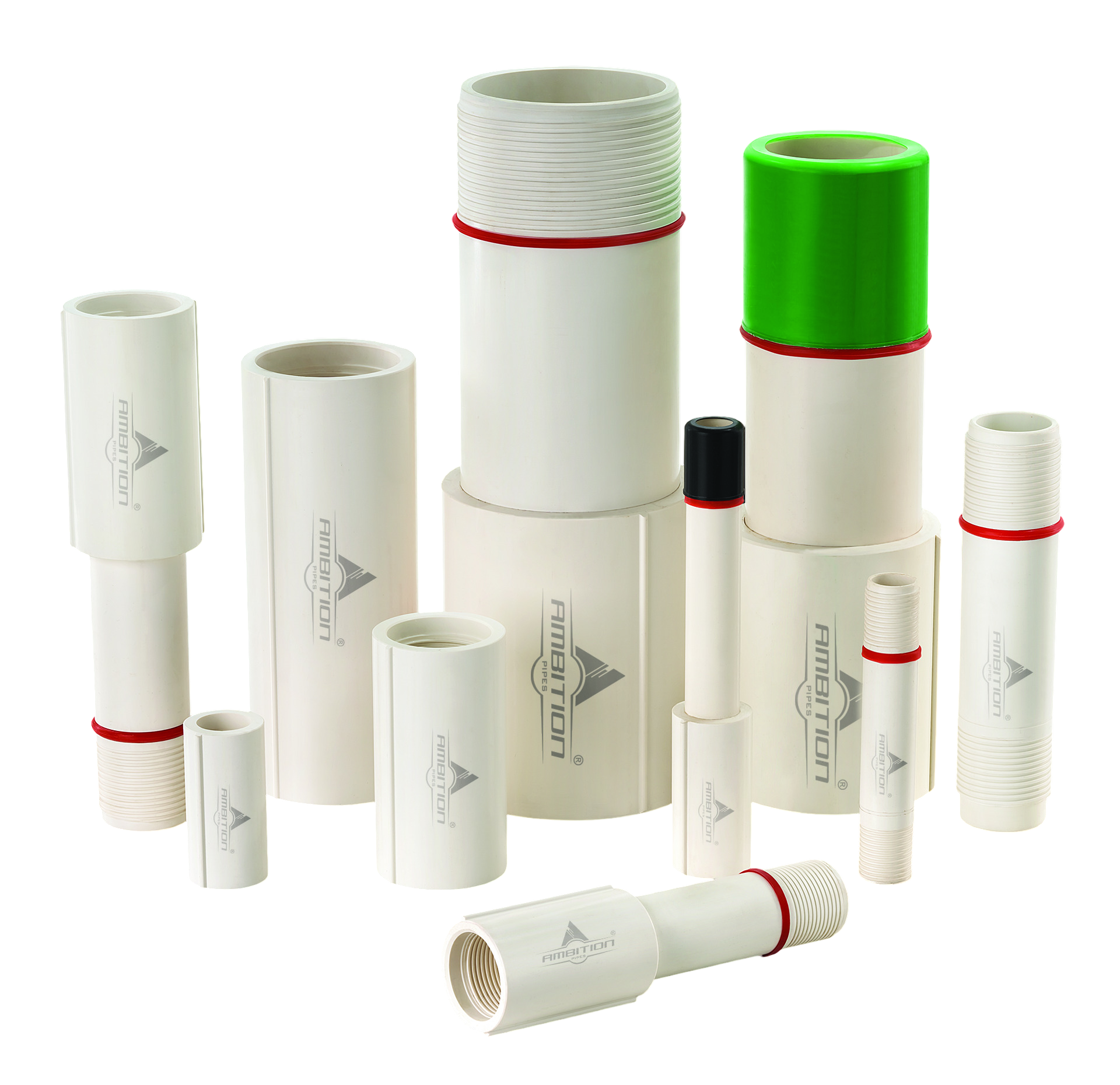
India's pipe manufacturing industry has expanded well beyond domestic borders. Today, Indian casing pipe exporters serve markets across Africa, the Middle East, Southeast Asia, and parts of Latin America, where borewell-based water access remains essential for agriculture and community water supply.
Why International Buyers Choose Indian Casing Pipe Exporters
- Cost Competitiveness: India offers a favorable balance of manufacturing cost and product quality compared to many other exporting nations.
- Consistent Quality Standards: Leading exporters maintain ISO and BIS certification alongside compliance with international standards such as ASTM and DIN where required by importing countries.
- Customization Capability: Indian manufacturers are often willing to customize pipe diameter, length, threading, and packaging according to the specific regulatory or logistical needs of the importing country.
- Reliable Logistics: With access to major ports and established freight-forwarding partnerships, Indian exporters can handle large-volume international shipments efficiently.
- Documentation Support: Established exporters assist with essential trade documentation, including certificates of origin, quality test certificates, and phytosanitary or material safety documentation as required.
What International Buyers Should Verify
If you are sourcing casing pipes from an Indian exporter, confirm the following before finalizing an order:
- Export licensing and IEC (Import Export Code) registration
- Product compliance with the destination country's plumbing or water infrastructure codes
- Sample testing reports from an accredited laboratory
- Minimum order quantities (MOQs) and production lead times
- Packaging standards suited for long-distance sea or land freight
- After-sales technical support availability for installation guidance
A reliable exporter will be transparent about all of the above and will typically provide product samples or detailed technical datasheets before you commit to a bulk order.
UPVC Conduit Pipes: The Backbone of Safe Electrical Installations
While column and casing pipes dominate the borewell and water infrastructure conversation, UPVC conduit pipes serve an entirely different but equally critical purpose: protecting electrical wiring in residential, commercial, and industrial buildings.
What Are UPVC Conduit Pipes?
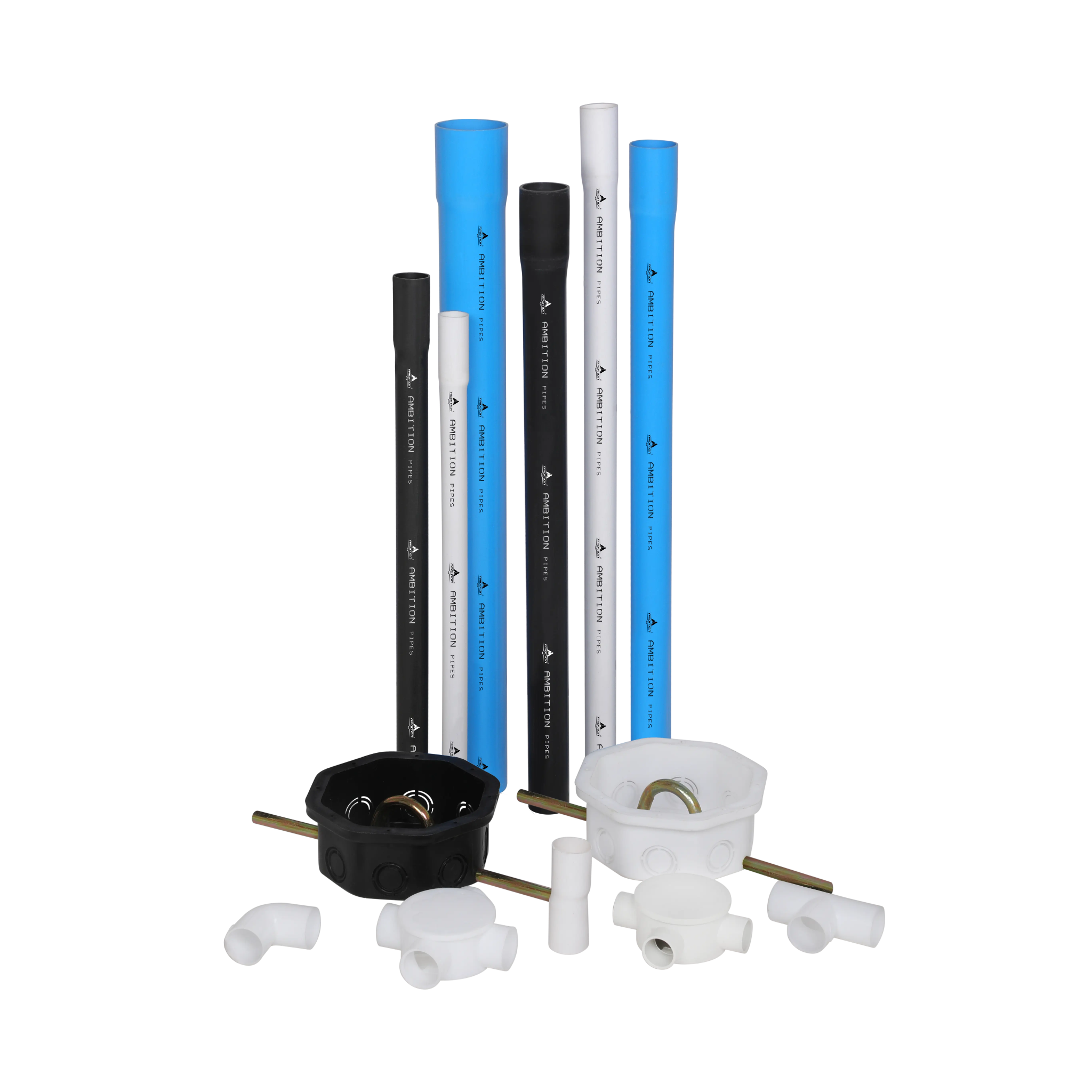
UPVC conduit pipes are rigid, non-metallic pipes used to encase and protect electrical cables from physical damage, moisture, and fire hazards. They are widely used in concealed wiring systems within walls, floors, and ceilings.
Advantages of UPVC Conduit Pipes
- Electrical Insulation: Being non-conductive, UPVC conduits add a layer of safety against electrical short circuits and shocks.
- Fire Resistance: Quality UPVC conduit pipes are manufactured to be flame-retardant, self-extinguishing, and compliant with fire safety codes.
- Moisture and Corrosion Resistance: Unlike metal conduits, UPVC does not rust or corrode, even in humid or coastal environments.
- Ease of Installation: Lightweight and easy to cut, bend (with proper fittings), and join, UPVC conduits reduce labor time on construction sites.
- Cost-Effective: Compared to metal conduit systems, UPVC offers significant material and installation cost savings without compromising safety.
Choosing the Right UPVC Conduit Pipes Supplier
When selecting a supplier for UPVC conduit pipes, evaluate:
- IS 9537 Compliance: This is the Indian Standard governing rigid PVC conduits for electrical installations.
- Wall Thickness and Diameter Range: Ensure the supplier offers a full range suited to your project's wiring load and building codes.
- Flame Retardant Certification: Confirm the material has undergone fire safety testing.
- Fittings Compatibility: A good supplier should offer a complete ecosystem of bends, couplers, junction boxes, and accessories compatible with their conduit pipes.
- Bulk Supply Capability: For large construction projects, confirm the supplier can meet project timelines with consistent stock availability.
How to Evaluate and Shortlist a Pipe Manufacturer: A Practical Checklist
Whether you're sourcing UPVC column pipes, casing pipes, or conduit pipes, use this checklist to evaluate any manufacturer or supplier before finalizing your order:
- Verify BIS/ISI certification and relevant IS standards
- Request product samples and third-party test reports
- Check manufacturing facility details (machinery, capacity, location)
- Review client testimonials or case studies from similar projects
- Confirm pricing transparency with no hidden costs
- Evaluate delivery timelines and logistics capability
- Assess after-sales support, warranty terms, and technical assistance
- For exporters, confirm IEC registration and international compliance
- Compare product range — manufacturers offering column, casing, and conduit pipes together often reflect broader engineering capability
- Ask about minimum order quantities and flexibility for smaller or trial orders
Common Mistakes to Avoid When Buying Pipes
- Choosing Price Over Quality: The cheapest pipe often uses inferior or recycled resin, leading to early failure and higher long-term costs.
- Ignoring Certification: Always insist on ISI-marked, BIS-compliant products — never rely solely on verbal assurances.
- Skipping Site-Specific Calculations: Borewell depth, soil type, and water table conditions should determine the pipe class and thickness you choose — a one-size-fits-all approach can be risky.
- Not Verifying Batch Consistency: For large projects, request samples from the same batch being supplied to avoid quality variation.
- Overlooking Local Support: Choosing a manufacturer or supplier with local presence or service support can save significant time during installation issues.
Conclusion
Selecting the most reliable pipe manufacturer in India is not a decision to take lightly — it directly affects the success of your borewell, the safety of your electrical wiring, and the long-term cost efficiency of your project. Whether you need UPVC column pipes for borewell installations, are sourcing from trusted casing pipe manufacturers in Gujarat, working with established casing pipe exporters in India for international projects, or looking for a dependable UPVC conduit pipes supplier for construction wiring, the fundamentals remain the same: prioritize certified quality, verified testing, transparent pricing, and proven industry experience.
By using the evaluation checklist and insights shared in this guide, you are now well-equipped to identify manufacturers and suppliers who will deliver not just a product, but long-term reliability and peace of mind.